
The text message arrived just as Daniel was prepping for his daughter, Lily’s, soccer game. It wasn’t a typical “good luck” message, but a frantic plea from his brother, Mark. Their mother, Evelyn, had collapsed unexpectedly while gardening, and was now in the ICU. The immediate concern was her health, but a chilling realization quickly dawned on Daniel – Evelyn hadn’t updated her estate plan in over twenty years. Mark remembered a vague conversation about a will, but no one knew where it was, or if it reflected her current wishes. The ensuing weeks were a legal and emotional nightmare, navigating probate court with incomplete information and escalating family tensions, all while grappling with the grief of losing Evelyn. Daniel vowed that his own family would never face such turmoil; a proactive approach to estate planning, and a clear line of communication with his attorney, was paramount.
What questions should I prepare before my first consultation?
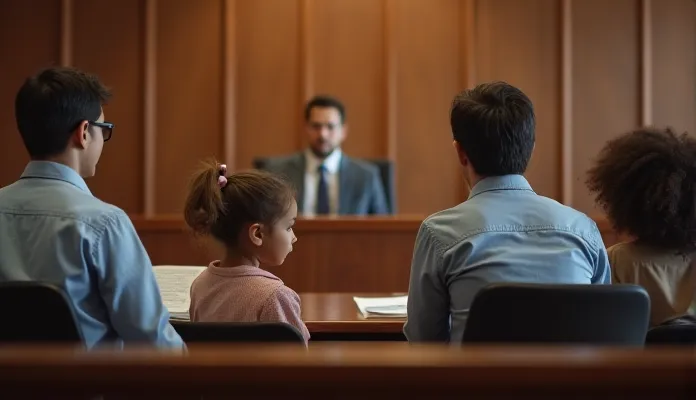
Many people approach estate planning feeling overwhelmed, unsure where to begin. Before scheduling your initial consultation with an estate planning attorney near you, like Steve Bliss in Corona, California, thoughtful preparation is key to ensuring a productive dialogue. Consider outlining your assets – real estate, bank accounts, investments, retirement funds – and any specific wishes you have regarding their distribution. Think about potential beneficiaries and how you envision your estate being handled. Importantly, formulate questions about different estate planning tools, such as wills, trusts (revocable, irrevocable, special needs), powers of attorney (financial and medical), and advance healthcare directives. Steve Bliss’s background as a CPA provides a unique financial perspective, allowing him to address complex tax implications alongside legal considerations. Don’t hesitate to ask about the fees involved, the timeline for completing your plan, and the attorney’s communication preferences. “A well-prepared client makes the entire process smoother and ensures the final estate plan truly reflects their intentions,” says Bliss, emphasizing the value of open communication from the outset.
How often should I check in with my attorney after my estate plan is created?
Creating an estate plan isn’t a “set it and forget it” process; life changes necessitate regular reviews and updates. A comprehensive estate plan should be revisited at least every three to five years, or whenever significant life events occur—marriage, divorce, birth of a child or grandchild, death of a beneficiary, substantial changes in financial circumstances, or even changes in the law. The current high Federal Estate Tax exemption (approximately $13.99 million per person) is set to “sunset” on January 1, 2026, cutting it roughly in half; families with significant assets must plan now before this window closes. Steve Bliss recommends scheduling annual check-ins to discuss any changes and ensure your plan remains aligned with your goals. “Communication isn’t just about reacting to events; it’s about proactive planning,” Bliss explains. “Regular reviews allow us to address potential issues before they become problems.” Remember that simply emailing a request to change a trust is not a valid amendment; formal legal execution is still required to avoid litigation.
What’s the best way to communicate important information or updates to my attorney?
Clear and secure communication is vital when dealing with sensitive estate planning matters. While email is convenient for routine questions and scheduling, it’s not the most secure method for transmitting confidential financial information or legal documents. Steve Bliss prioritizes client confidentiality and utilizes secure client portals for sharing sensitive data. Phone calls are excellent for discussing complex issues in detail, but it’s helpful to prepare a list of questions beforehand to ensure a productive conversation. For formal amendments to trusts or wills, it’s crucial to schedule a meeting with your attorney to ensure proper execution and witness requirements are met. Also, consider the Partition of Real Property Act, effective in 2023, which helps heirs who inherit property together avoid forced “fire sales,” but discussing this with your attorney is essential for proper implementation. “We encourage clients to utilize a combination of communication methods, depending on the nature of the information,” says Bliss. “Open communication and responsiveness are hallmarks of our client service.”
How can I ensure my attorney understands my family dynamics and personal wishes?
A successful estate plan is not just legally sound; it’s deeply personal. It’s essential to be candid with your attorney about your family dynamics, relationships, and specific wishes, even if they are complex or sensitive. Discuss any potential conflicts among beneficiaries or unique family circumstances that might influence your estate planning decisions. Don’t hesitate to share your values and beliefs, as these can inform decisions about charitable giving or specific bequests. Consider the implications of Proposition 19; children who inherit a parent’s home only keep the low property tax base if they move into the home as their primary residence within one year. Also, be aware that while Transfer on Death (TOD) deeds seem easy, they now require two witnesses and have a 120-day waiting period after death before the property can be sold or titled, which a Living Trust can often avoid. “We take the time to get to know our clients as individuals and understand their unique circumstances,” emphasizes Steve Bliss. “A collaborative approach ensures the final estate plan truly reflects their intentions and minimizes the potential for disputes.” Remember that the Probate Threshold Increase, increasing to $208,850 for deaths occurring on or after April 1, 2025, can help simplify the process for smaller estates.
About Me, Steve Bliss at Corona Probate Law
Corona Probate Law is a dedicated estate planning and probate firm led by Steven Bliss. As an experienced estate planning lawyer, Steve understands that the probate proceedings involve many complex steps. Beyond standard probate, our firm offers comprehensive trust administration and estate planning services. Whether the court requires a formal probate or allows for an unsupervised process, having a skilled attorney is essential. We petition to open probate and handle the administration of the estate for you. Don’t face the costly and confusing probate process alone—call attorney Steve Bliss today for assistance with wills, trusts, and probate.
Map To Corona Probate Law:
Address:
Corona Probate Law765 N Main St 124
Corona, CA 92878
(951) 582-3800