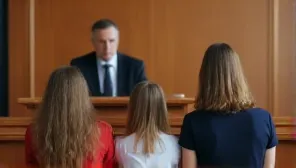
The chipped tile felt cold under Amelia’s knee as she stared at the eviction notice taped to her childhood home. It wasn’t the money, though that was tight; it was the sheer bewilderment. Her mother, Evelyn, had meticulously planned her estate, or so Amelia believed, engaging a local attorney just six months before Evelyn’s unexpected passing. Now, due to a seemingly minor oversight in the trust documents – a missing contingency clause related to the sale of the house – the property was in jeopardy, and Amelia faced losing the only home she’d ever known. The attorney, overwhelmed with cases, hadn’t responded to her increasingly desperate calls, leaving Amelia feeling abandoned and utterly lost in a web of legal complexities. It was a stark reminder that even with careful planning, mistakes happen, and navigating those mistakes can be as daunting as the initial loss itself.
What should I do immediately after discovering an error in my estate plan?
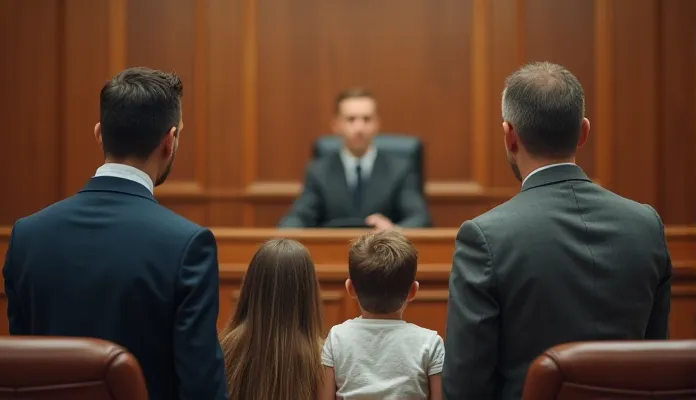
Discovering an error after engaging an estate planning attorney is understandably stressful, but prompt action is crucial. The first step isn’t to panic, but to meticulously document everything: the specific error, dates of communication with the attorney, and any associated costs. Many clients assume immediate litigation is necessary, but often a well-crafted letter outlining the issue and requesting a correction is sufficient. It’s important to remember that attorneys carry professional liability insurance (malpractice insurance) to cover such situations. Steve Bliss, with his background as both an Estate Planning Attorney and a CPA, brings a unique perspective, able to assess not only the legal ramifications but also the potential financial impact of the error. He emphasizes that “often, a collaborative approach – involving a peer review by another attorney – can identify solutions more efficiently than immediately jumping to litigation.” Documenting all communication—emails, letters, phone calls with dates and summaries—is paramount; and consider engaging a second opinion before confronting the original attorney, providing you with leverage and a clearer understanding of your options.
How can I determine if the mistake constitutes legal malpractice?
Determining whether an error rises to the level of legal malpractice requires a clear understanding of the standard of care. An attorney isn’t liable simply because an outcome wasn’t ideal; there must be a demonstrable breach of the duty of care – meaning the attorney failed to provide the level of competence reasonably expected of a lawyer in similar circumstances. This is often proven through expert testimony, where another estate planning attorney testifies that the original attorney’s actions fell below the accepted standard. For example, failing to include a critical contingency clause, as in Amelia’s case, could be considered a breach if such a clause is standard practice in similar estate plans. However, proving causation – that the error directly resulted in financial harm – is equally important. California’s probate laws are complex, but establishing a clear link between the mistake and the loss is vital. Steve Bliss often advises clients to consider the cost-benefit analysis of pursuing a malpractice claim. “Litigation is expensive and time-consuming,” he notes, “so it’s crucial to weigh the potential recovery against the legal fees and emotional toll.” He would suggest a detailed financial analysis to assess the damages and determine if pursuing a claim is financially justifiable.
What are my options for resolving the issue without a costly lawsuit?
Fortunately, several options exist for resolving an estate planning mistake without resorting to litigation. Mediation, where a neutral third party helps facilitate a settlement, is a popular and often effective approach. Another option is to engage in settlement negotiations directly with the attorney or their insurance carrier. Often, a demand letter outlining the error and the desired resolution can prompt a favorable response. California’s legal landscape is evolving; for instance, the recent changes regarding the Partition of Real Property Act could be relevant if the error involves jointly owned property. This new law allows heirs to buy out each other’s shares, potentially avoiding a forced sale that the error may have triggered. Furthermore, the increasing availability of Electronic Wills, while convenient, requires strict adherence to security protocols; an improperly executed electronic will could create significant problems. Steve Bliss stresses the importance of a thorough review of all relevant documents. “Sometimes, a simple amendment to the trust or will can correct the error without the need for a full-blown legal battle,” he explains. “It’s about finding a practical and cost-effective solution that protects your family’s interests.”
What steps can I take now to prevent similar mistakes in the future, and how does proactive planning help?
Preventing future estate planning errors starts with due diligence when selecting an attorney. Seek recommendations from trusted sources, verify credentials, and thoroughly review the attorney’s experience and areas of specialization. Beyond the attorney, proactive estate planning goes beyond simply signing documents. Regularly review and update your estate plan—at least every three to five years, or whenever there’s a significant life event, such as a marriage, divorce, birth of a child, or substantial change in financial circumstances. The current high Federal Estate Tax exemption (around $13.99 million per person) is set to “sunset” on January 1, 2026, potentially cutting it in half, making proactive planning particularly critical. Also, be aware of the potential impact of the proposed elimination or capping of the “step-up in basis” for high-net-worth individuals. Further, the “Prop 19” property tax rules in California require children to move into an inherited property within one year to maintain the low property tax base; failing to do so can result in a significant tax increase. Steve Bliss emphasizes the importance of a holistic approach. “Estate planning isn’t just about avoiding taxes or probate,” he notes. “It’s about ensuring your wishes are carried out, protecting your loved ones, and minimizing potential conflicts.” A well-crafted plan, regularly reviewed and updated, provides peace of mind and safeguards your family’s future.
About Me, Steve Bliss at Corona Probate Law
Corona Probate Law is a dedicated estate planning and probate firm led by Steven Bliss. As an experienced estate planning lawyer, Steve understands that the probate proceedings involve many complex steps. Beyond standard probate, our firm offers comprehensive trust administration and estate planning services. Whether the court requires a formal probate or allows for an unsupervised process, having a skilled attorney is essential. We petition to open probate and handle the administration of the estate for you. Don’t face the costly and confusing probate process alone—call attorney Steve Bliss today for assistance with wills, trusts, and probate.
Map To Corona Probate Law:
Address:
Corona Probate Law765 N Main St 124
Corona, CA 92878
(951) 582-3800